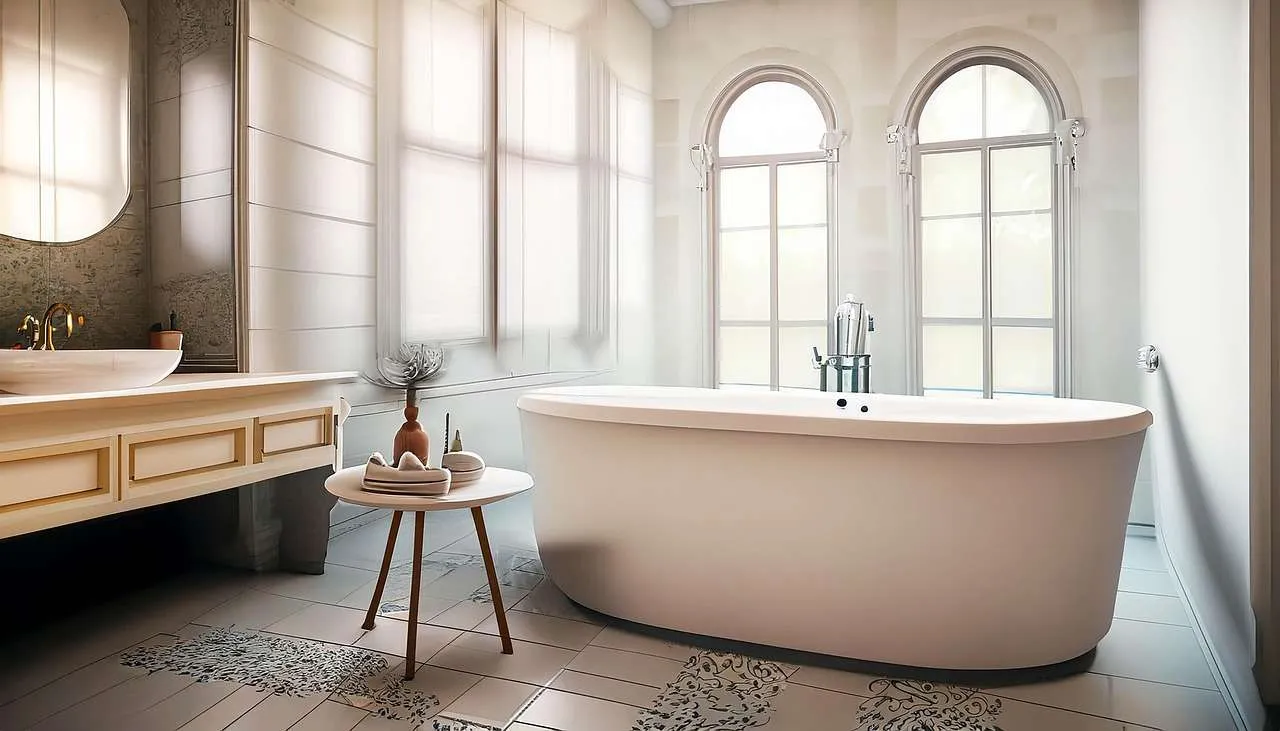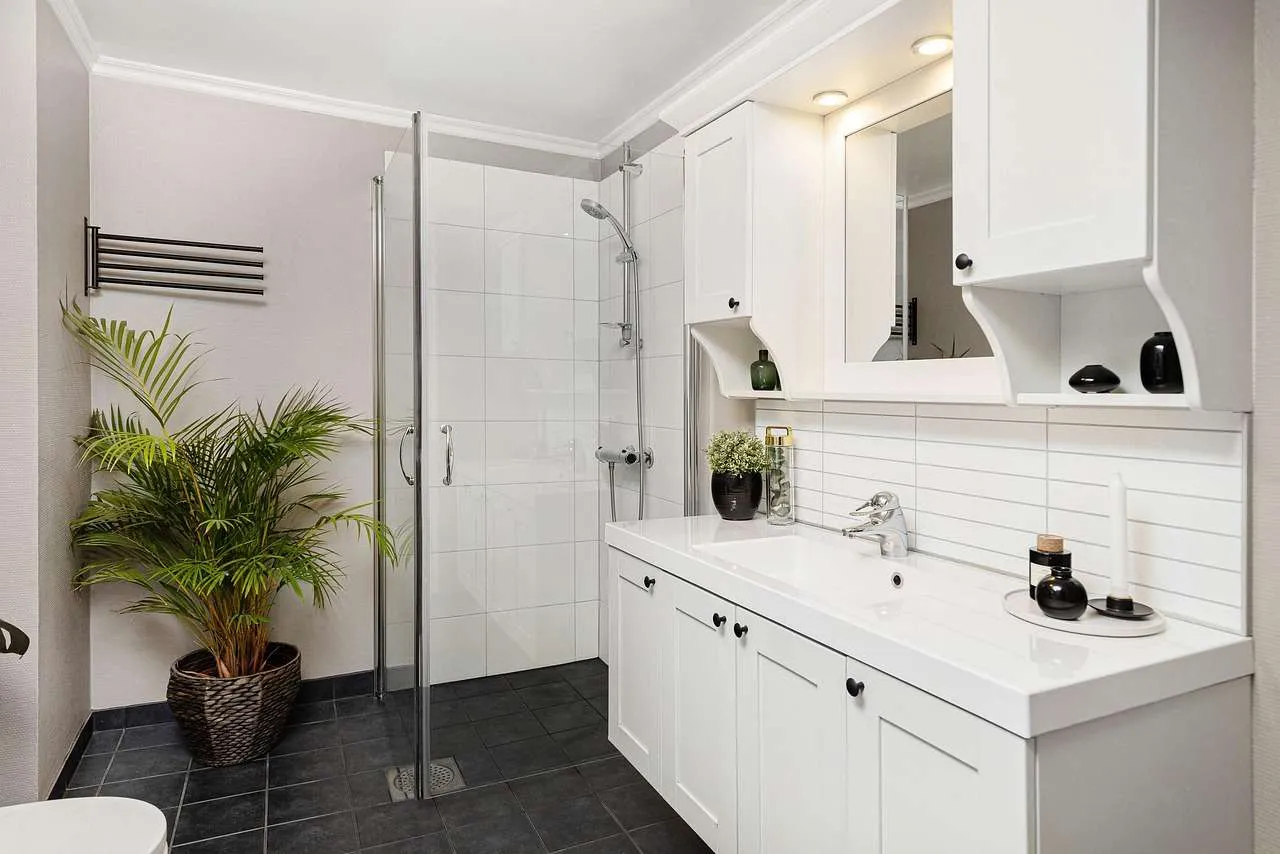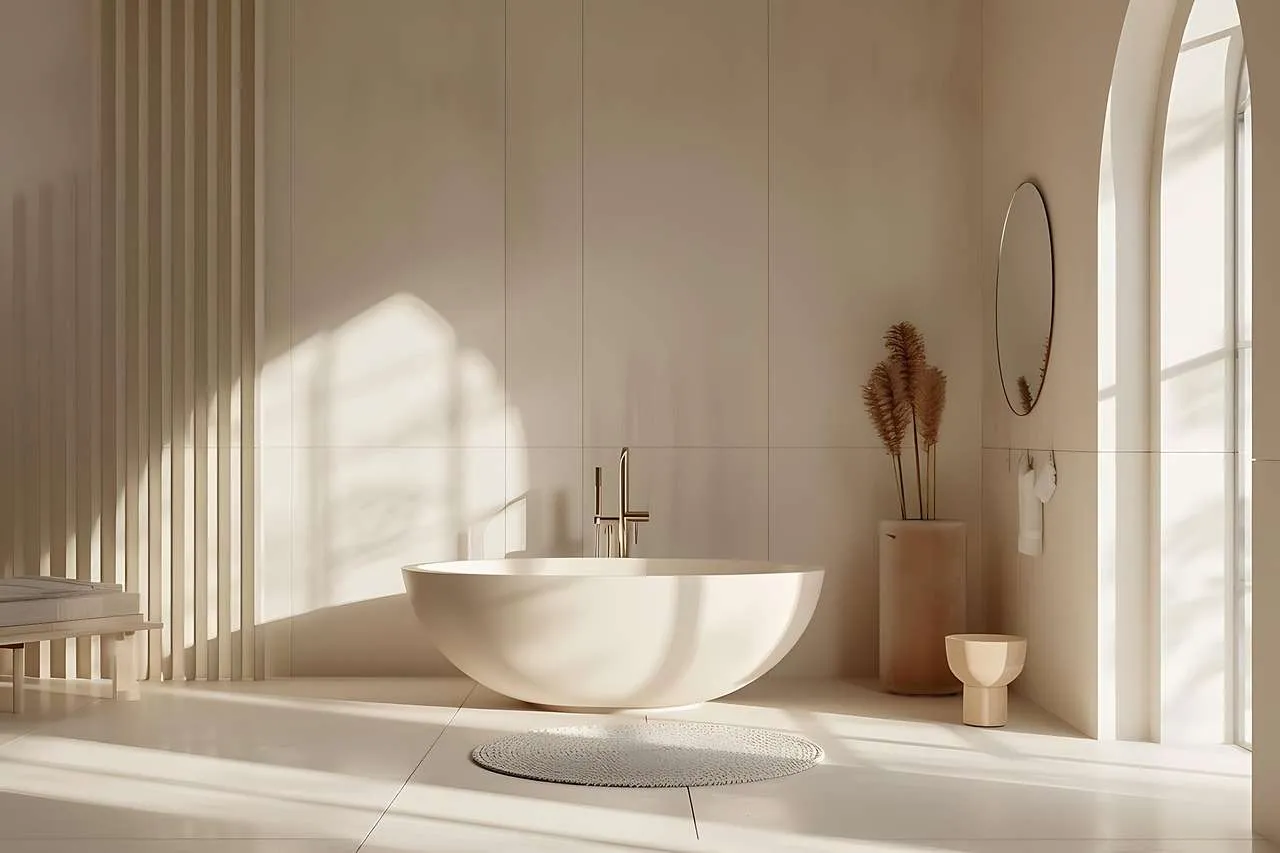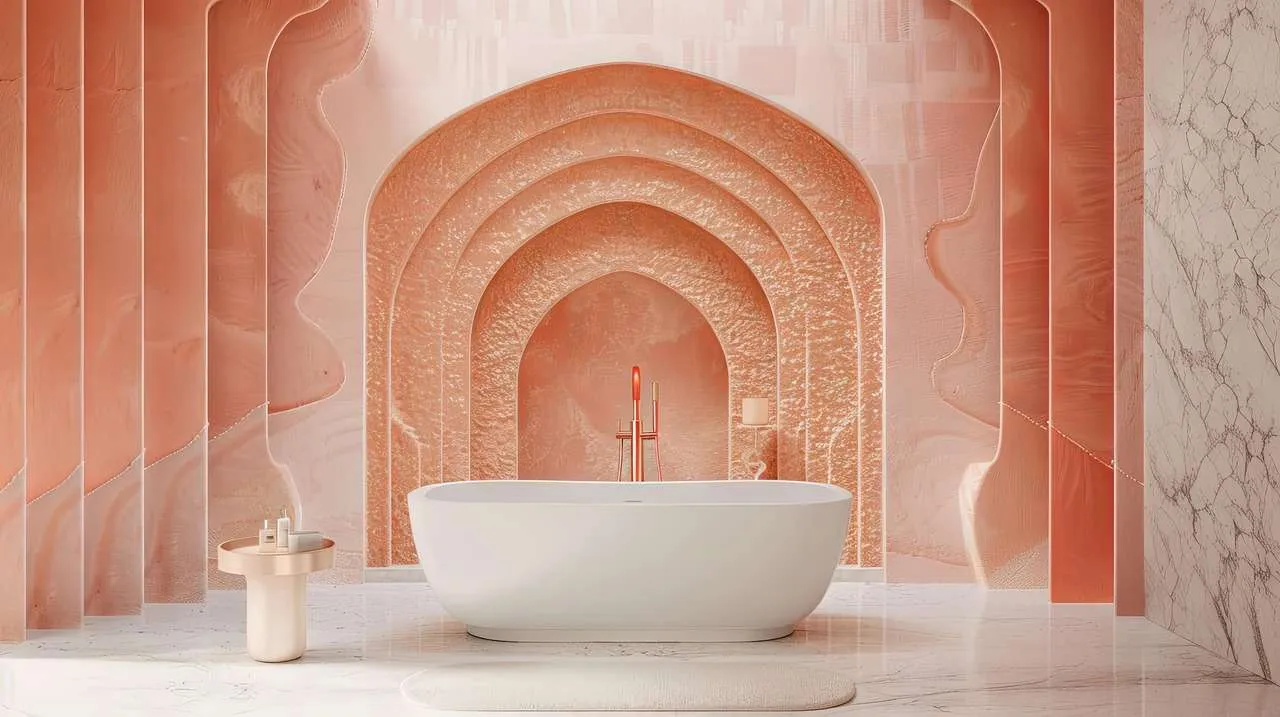
Choosing bathroom tiles is not just about aesthetics; it affects durability, safety, and long-term maintenance. A thoughtful tile strategy reflects both expertise and trust, helping homeowners, designers, and contractors create spaces that perform as well as they look. This guide covers common tile materials, finishes, installation considerations, maintenance, and budgeting to help you select bathroom tiles with confidence.
Understanding bathroom tile materials
Tile materials vary in composition, water absorption, and resilience. The most common options include ceramic and porcelain, along with natural stone, glass, and specialty varieties. Understanding how these materials behave in a moisture-rich bathroom environment is essential for EEAT-friendly decisions.
Ceramic vs. porcelain
Ceramic tiles are typically non-porous when glazed and offer a wide range of colors and patterns. Porcelain tiles are a denser subset of ceramic with lower water absorption, making them highly durable and well-suited for wet areas. For high-traffic bathrooms or floors subject to splashes, porcelain often provides better long-term performance, while ceramic can be a cost-effective choice for walls and light-use zones.
Natural stone and glass tiles
Natural stone such as marble, travertine, and slate delivers unique character but requires more maintenance and sealing. Stone absorbs moisture and oils differently, which can lead to staining if not sealed properly. Glass tiles add a light-reflecting quality and modern vibe but may show soap scum and require precise installation to prevent lippage. Both material groups demand a knowledgeable installer and a maintenance routine aligned with their characteristics.
Other materials
Metallic and cement tiles offer bold aesthetics and texture. Cement tiles often need sealing and periodic re-sealing, while metal tiles can provide striking accents but may require care to prevent fingerprints and tarnish. When choosing specialty tiles, balance the design impact with slip resistance, cleaning feasibility, and the moisture dynamics of your bathroom.
Finishes, sizes, and patterns
Finish and size influence safety, care, and perceived space. Matte finishes tend to hide water spots and fingerprints, while glossy finishes can enhance color depth but require more frequent cleaning. Larger formats reduce grout lines, creating a cleaner look and easier wipe-downs on floors that see water. Pattern options like herringbone, vertical stacks, or brick layouts can transform a bathroom's feel without a wholesale design overhaul.
- Slip resistance: Look for tiles with a high slip-resistance rating (R11 or higher for floors) in wet areas.
- Grout color: A grout that closely matches the tile can minimize lines, while a contrasting grout can accent design details.
- Color and tone: Light tiles can make small bathrooms feel larger; dark tiles add drama and warmth but may show water spots more readily.
Layout and installation considerations
Installers should address substrate preparation, waterproofing, and correct layout planning. A moisture barrier beneath floor tiles and appropriate backer boards on walls prevent moisture intrusion. For floors, ensure level subfloors and proper slope for drainage. Grout choice and sealing routines influence both appearance and longevity. If you lack experience, hire a licensed tile installer who adheres to local building codes and safety standards.
Key decisions include tile layout (centered on focal walls or doorways), edge trimming, and transition details to other surfaces. When mixing tile sizes, maintain a consistent grout width and consider a calming color palette to unify varied textures. A well-planned layout reduces waste and ensures uniform visual rhythm across the space.
Maintenance and care
Maintenance varies by material. Glazed ceramic and porcelain are relatively low-maintenance with routine cleaning using mild cleaners. Natural stone requires pH-neutral cleaners and periodic sealing to protect against staining. Glass tiles clean easily but can show water spots if not wiped dry. Establish a simple care ritual and address grout maintenance, as grout is a common weak point in bathrooms. Regular sealing for stone and cement tiles helps preserve color and resist moisture infiltration.
Buying guide and budget
Budgeting for bathroom tiles involves material cost, installation, and long-term maintenance. Porcelain often sits at a higher upfront cost than ceramic but delivers greater durability for floors. Natural stone adds premium pricing due to sealing and upkeep. Glass and specialty tiles may require more meticulous installation and higher labor costs. A practical approach is to segment the project into zones: durable tiles for floors, water-resistant options for showers, and decorative tiles for accent walls. Always request samples and check warranty terms from manufacturers and installers.
Tile Type Comparison
| Tile Type | Pros | Cons | Durability | Maintenance | Typical Cost |
|---|---|---|---|---|---|
| Ceramic | Affordable, broad color range, easy to cut | Less water resistance than porcelain | Moderate | Low; simple cleaning | Low to mid |
| Porcelain | Very durable, low water absorption, good for floors | Heavier and can be harder to cut | High | Low to moderate | Mid to high |
| Natural Stone | Unique color and texture, timeless look | Requires sealing; more maintenance | Variable; often high | Moderate to high (sealing, cleaning) | High |
| Glass | Reflective, modern aesthetic; strong color accents | Shows water spots; installation precision needed | High for walls; moderate for floors | Moderate | Mid to high |
| Cement/Specialty | Bold patterns and durability | Sealing required; can be porous | Moderate to high | Moderate to high (resealing) | Mid to high |
Trends and sustainability
Environmentally conscious choices include porcelain and ceramic made with low-emission kilns, recycled-content tiles, and reduced grout usage through larger formats. Coastal and urban homes benefit from textures that mimic natural materials while offering consistent performance. For long-term EEAT credibility, choose tiles with certifications from recognized programs and select manufacturers that provide clear installation guidelines and warranties.
Frequently asked questions
Q: Which tile is best for a bathroom floor? A: Porcelain is a popular choice for its durability and low water absorption. Q: Do I need to seal ceramic tiles? A: Glazed ceramic tiles generally do not require sealing, but unglazed or natural stone tiles do. Q: How do I prevent grout stains? A: Use stain-resistant grout and seal it if recommended by the manufacturer, then clean regularly with pH-neutral cleaners.
Conclusion and practical tips
Conclusion, choosing bathroom tiles involves balancing style with moisture resistance, maintenance, and budget. For floors, prioritize porcelain or sealed stone with a slip-resistant texture. For walls, ceramic or glass can deliver vibrant color and easy upkeep. Plan layouts to minimize waste, select complementary grout, and ensure proper waterproofing and substrate preparation. By aligning material choices with room usage, your bathroom tiles will deliver enduring beauty and reliable performance for years to come.
Summary, a well-informed tile selection combines material science, design taste, and practical care. This guide outlines core materials, finishes, layout strategies, maintenance, and budgeting to help you achieve a stylish, durable bathroom that meets high standards of quality and reliability.