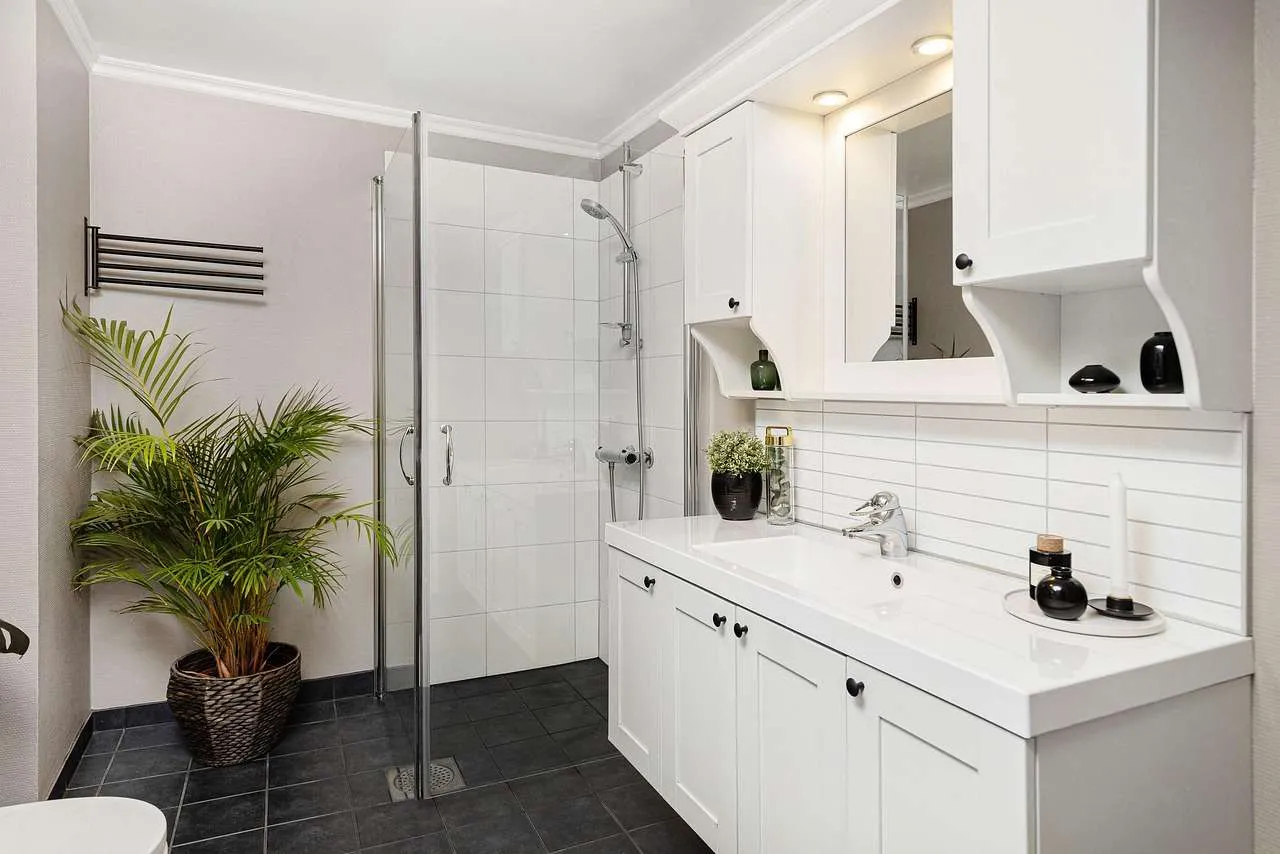
Small bathroom ideas aren't just about making things fit; they are about engineering a sense of calm, efficiency, and style in a compact footprint. A well-planned tiny bath can feel as open and functional as a larger space when designers apply proven principles — clear sightlines, smart storage, good lighting, and durable materials. Here you’ll find practical, EEAT-driven guidance drawn from professional design practices: plan around your plumbing, choose scalable storage, and select fixtures that maximize usable area without compromising comfort. This article covers layout, storage, color, lighting, fixtures, and budget options to help you achieve a polished result.
Smart layout and measurements
In small bathrooms, every inch counts. Start by fixing the plumbing footprint and working outward. Sketch the room to scale and mark the location of doors, windows, and plumbing lines. Consider a shower instead of a bathtub, or a corner shower to open the center zone. Use a dry zone near the sink for toiletries and a wet zone for the shower or tub. By prioritizing sightlines and easy access, you create an illusion of space and reduce clutter.
Plan the footprint
Measure ceiling height, door swing, and the width between fixtures. Aim for at least 36 inches of clear path in front of the vanity and toilet. If possible, install a wall-hung toilet or a compact, one-piece model to keep the floor visually uninterrupted and easier to clean.
Storage solutions
Storage is the backbone of a functional small bathroom. Seek options that disappear into the architecture while offering easy access to essentials. Built-in niches, recessed shelves, and tall, slim cabinets maximize vertical space without stealing floor area. Consider multi-functional features like a vanity with integrated storage or a medicine cabinet that reaches toward the ceiling to draw the eye upward.
Built-in niches and recessed shelving
Niches in the shower or above the vanity provide dedicated spots for shampoo, soaps, and towels. They keep products off the counter and reduce clutter. The trade-off is the need for precise carpentry and waterproofing, but the payoff is a cleaner, more open feel.
Color and material strategies
Color shapes perceived space. Light, cool hues with reflective surfaces make small baths feel brighter and larger. White, pale gray, and soft neutrals work well when paired with glossy or matte finishes that bounce light. Materials should be durable, water-resistant, and easy to maintain. Large-format tiles minimize grout lines, while mirrors, glass, and high-gloss surfaces amplify light and depth.
Light colors and reflective surfaces
Choose wall tiles that reflect light, and pair them with a bright, clean vanity. If you prefer warmth, offset with natural wood accents or warm metallic fixtures. A frameless glass shower enclosure can visually expand the space more than a framed unit.
Fixtures and fittings
Compact, well-designed fixtures are essential in small bathrooms. Look for a wall-hung vanity to free floor space, a compact or concealed cistern toilet, and a shower that uses a sliding door or a curved-radius enclosure to avoid sharp corners. Consider a rainfall showerhead paired with a handheld wand for flexible use without bulk.
Compact toilets and space-efficient showers
Wall-hung or rounded-front toilets reduce visual mass, while a corner or inline shower stall with a clear glass panel maintains continuity of sightlines. If space allows, a wet zone design with a single level floor reduces tripping hazards and simplifies cleaning.
Lighting and mirrors
Layered lighting is key. A bright, shadow-free zone around the mirror helps with daily routines, while ambient lighting prevents the room from feeling clinical. Use a mix of overhead fixtures and vanity lights, and consider a mirror with built-in LED illumination or a mirrored cabinet that adds storage without bulk.
Mirror strategy for expansion of space
A large mirror or multiple reflective panels doubles the perceived space. If possible, position the mirror opposite a window or light source to maximize natural or artificial light. Dimmable fixtures give you flexibility for morning routines and evening relaxation.
Budget-friendly ideas vs premium touches
Small bathroom ideas can scale from affordable upgrades to luxurious finishes. Thrifty changes like fresh paint, new hardware, and updated lighting can have a strong impact. For a longer-term investment, consider quality porcelain tiles, a durable quartz vanity top, and a well-sealed shower enclosure. Always balance cost with anticipated maintenance and the room’s moisture exposure to protect your investment.
Comparison and optimization
The following table compares common small-bathroom ideas by impact, cost, and practicality. This helps in planning the sequence of upgrades and setting a realistic budget.
| Idea | Pros | Cons | Best For |
|---|---|---|---|
| Integrated vanity with sink | Maximizes countertop and hides plumbing | May be pricier, can reduce legroom | Very small powder rooms |
| Corner shower with glass panel | Opens sightlines, feels larger | Access may be tight for some users | Proportioned footprints |
| Recessed niches and built-in storage | Increases storage without bulk | Requires precise carpentry | Toiletries nearby |
| Mirrored cabinet and large mirrors | Reflects light, visually expands | Fingerprints and maintenance | Light-rich design |
Conclusion
Conclusion, by applying strategic layout, smart storage, and thoughtful finishes, small bathrooms can feel open, organized, and stylish. Prioritize light colors, mirrored surfaces, compact fixtures, and recessed storage. Plan carefully, budget wisely, and maintain quality materials for long-term care. Following these small bathroom ideas can deliver a bathroom that functions like a larger space while staying comfortable and beautiful.